Your Reputable Paving Contractor: Top-Tier Surfaces for Every Project
Finding a dependable pavement expert is important for any project. Superior finishes not only enhance appearance but also deliver strength and security. A trusted contractor merges knowledge with a commitment to applying top-tier resources. Their expertise can powerfully shape the results. Understanding what to look for in a paving partner can make the difference. Uncover the important factors that set quality professionals apart and how they support successful paving initiatives.
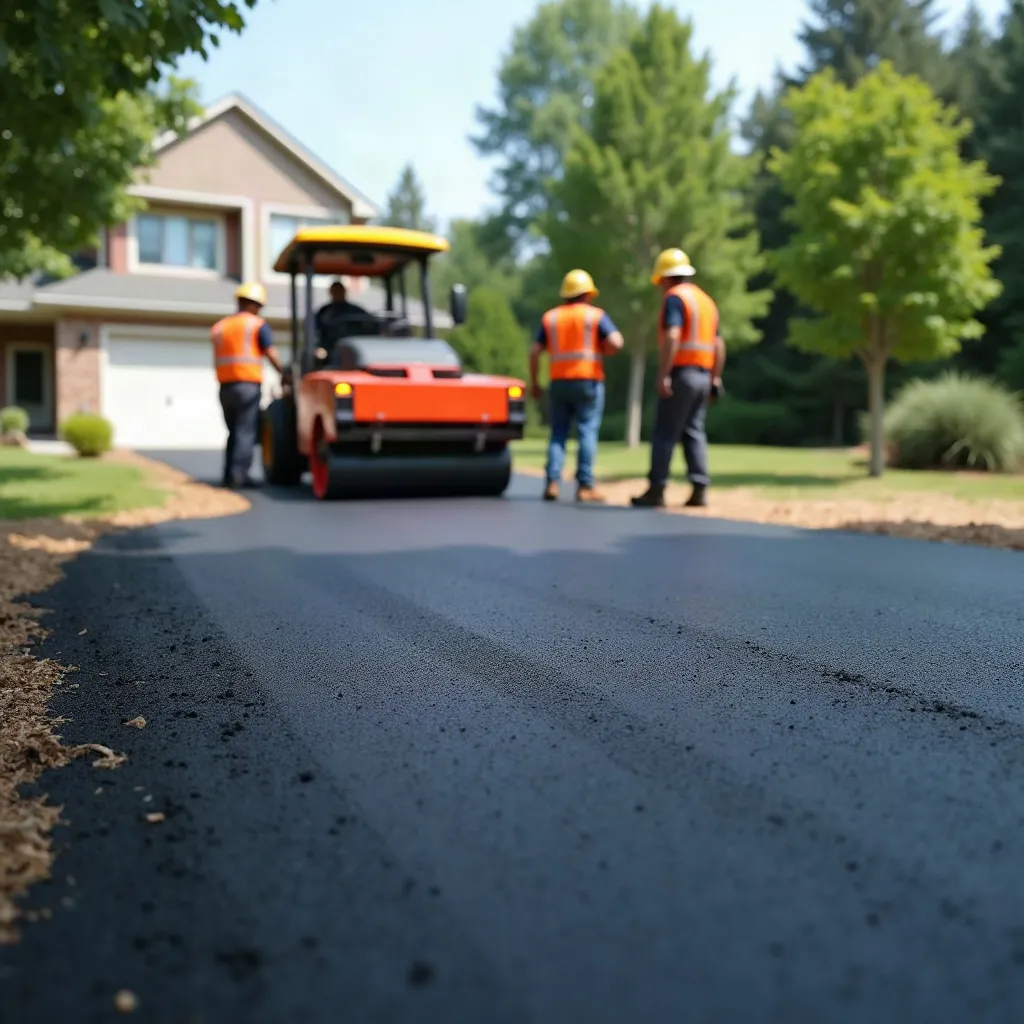
Why Hiring a Dependable Paving Contractor Matters
Opting for a reliable paving expert is important, as the caliber of workmanship can profoundly shape the durability and look of paved surfaces. A competent contractor promises that materials are properly chosen and implemented, decreasing the risk of premature wear and damage.
The suitable professional respects local regulations and industry standards, which can avoid costly legal issues or fines. In further, seasoned experts are conversant with varying soil conditions, drainage requirements, and climate considerations, facilitating better project outcomes tailored to specific environments.
Inadequate workmanship can produce uneven surfaces, cracking, and safety hazards, which ultimately elevate maintenance costs. By choosing a reputable contractor, clients can have assurance in the durability of their investment, knowing it will withstand the test of time.
Choosing wisely can help you save both time and money in the extended timeline, making this a essential stage in any paving project.
Essential Qualities of a Reliable Paving Contractor
A dependable pavement specialist has critical qualities that guarantee a successful project.
Experience and competence are fundamental in addressing the difficulties of paving work, while the implementation of high-grade materials delivers durability.
In addition, speedy project completion portrays a contractor's integrity and dedication to client satisfaction.
Experience and Skill
While numerous factors contribute to the selection of a trustworthy paving contractor, experience and expertise emerge as essential qualities. A contractor with substantial background is more capable to navigate the intricacies of different projects, ensuring smooth implementation and quality results.
Their built-up proficiency allows them to identify forthcoming problems and introduce workable approaches. Technical knowledge holds equal significance, as it reflects a contractor's command of contemporary methods and professional norms.
This combination allows them to offer knowledgeable suggestions, improving the general project result. Clients can trust experienced contractors to deliver superior workmanship, supported by a proven track record.
In the end, choosing a contractor with solid experience and skill lays the foundation for a successful paving project.
High-Grade Materials Selected
Excellent materials represent the cornerstone of any productive paving project. A credible paving contractor prioritizes the use of top-grade asphalt, concrete, and stone to guarantee durability and longevity.
Superior asphalt, for instance, delivers better protection against weather elements and heavy traffic, lowering the likelihood of cracks and surface deterioration. Additionally, reputable contractors source materials from trusted suppliers, verifying compliance with industry standards.
This focus on quality not only improves the visual appearance of the paved surface but also contributes to safety and performance. Moreover, using high-quality materials often generates lower maintenance costs over time, making it a sound decision for clients.
Fundamentally, the choice of materials illustrates a contractor's dedication to quality and customer satisfaction.
Prompt Task Completion
Successful project completion on time remains a benchmark of a trustworthy paving contractor. Clients rely on contractors to stick to mutually established timelines, guaranteeing that projects proceed without disruption and expeditiously.
A reliable contractor shows superior project management skills, organizing labor, materials, and equipment competently to complete deadlines. This devotion not only boosts customer satisfaction but also develops trust and promotes long-term relationships.
Moreover, on-time completion reduces interruptions for property owners and surrounding communities, enabling faster entry and usability. Contractors who frequently deliver projects on time often differentiate themselves in the challenging paving field, illustrating their professionalism and dedication to quality service.
Ultimately, timely project conclusion reveals a contractor's dependability and focus on excellence in every paving initiative.
Paving Services Made Available by Your Professional Contractor
A wide selection of pavement options is critical for any contractor determined to achieving quality results.
A dependable paving contractor generally delivers asphalt paving, which is ideal for driveways and parking lots due to its resilience and cost-effectiveness. Concrete paving is also popular option, noted for its longevity and visual attractiveness, fitting for both residential and commercial applications.
Additionally, services may include sealcoating, which shields surfaces from environmental damage and deterioration, and pavement repair, fixing cracks and potholes to maintain safety and functionality.
Some contractors also offer ornamental pavement choices, enhancing aesthetics with designs and surface finishes.
In addition, excavation and grading services guarantee proper site preparation, laying a solid foundation for paving projects.
Why Quality Materials Are Important for Your Paving Job
For any paving project, choosing quality materials is important for its success. The selected materials directly impact durability, appearance, and functionality. Asphalt or concrete of top quality is capable of withstanding weather-related factors, which reduces the likelihood of cracks and surface deterioration as time progresses.
This longevity not only enhances the aesthetic value but also minimizes upkeep expenses, offering long-term savings for property owners.
Moreover, the right materials can boost safety by giving better hold and decreasing the risk of slips and falls. Quality materials also contribute to efficient drainage, blocking water accumulation that can create structural issues.
Ultimately, opting for premium materials delivers a durable and aesthetically pleasing finish that satisfies the requirements of diverse uses, from driveways to commercial lots.
Making Your Site Suitable for Asphalt Work
As surface installation begins, meticulous site preparation becomes essential for ensuring a successful outcome. This procedure requires several important steps to confirm the area is suitable for the application of pavement.
To begin, the existing surface needs to be cleared of any waste, overgrowth, or unstable matter that might affect the paving.
Finally, grading the site is vital to create a stable foundation, permitting suitable water dispersal and thwarting future setbacks like pooling water or structural damage.
Moreover, it is critical to assess the soil state. If the soil is too compromised or loose, it may necessitate compaction or the addition of suitable materials to improve its load-bearing capacity.
Delineating the areas for paving will also help in managing the layout effectively.
Finally, confirming that infrastructure lines are marked and secured will avoid costly disruptions during the paving operation.
Adequate site preparation provides the groundwork for a robust and lasting road layer.
What Might You Expect Throughout the Paving Process?
What should one anticipate during the asphalt installation? Initially, a qualified paving specialist will examine the site to confirm suitability. This includes verifying the sub-base and validating proper drainage.
After that, the team will commence by laying down the selected material, either asphalt or concrete. Heavy machinery will generally be employed to ensure an uniform surface, and this process frequently requires multiple layers for durability.
Once the initial layer is set, it may need duration to cure before additional layers learn about this are applied. During this phase, the contractor will track the temperature and moisture levels to ensure ideal conditions.
Once the final surface is applied, it will undergo compaction to remove air pockets and improve stability. Communication is vital; clients should expect regular updates on progress and any potential concerns.
Tips for Maintaining Your Paved Surfaces for Extended Life
Maintaining paved surfaces is crucial for ensuring their durability and performance.
Regular cleaning practices combined with a well-timed protective coating plan and timely fixes can greatly extend the life of the pavement.
Routine Cleaning Methods
Standard cleaning practices greatly enhance the longevity of pavement. Regularly sweeping away debris, such as leaves and dirt, thwarts the buildup of materials that can lead to blemishes and degradation.
A power washer can successfully remove stubborn stains, algae, and moss while maintaining a fresh look. It is advisable to prevent strong chemical use that might deteriorate the pavement; instead, using mild detergents is recommended.
Addressing spills immediately also reduces the chance of staining. Ensuring proper drainage helps avoid water accumulation, which can weaken the surface over time.
Sealant Installation Schedule
A regular sealant application schedule is vital for preserving both the integrity and appearance of asphalt areas. Generally, professionals recommend sealing every 2-3 years, depending on the surface type and weather factors.
Elements like exposure to UV rays, heavy traffic, and extreme weather can impact the longevity of the sealant. Before application, surfaces should be thoroughly cleaned to eliminate dirt and discoloration. This ensures proper adhesion and effectiveness of the sealant.
Additionally, selecting high-quality sealant products can improve protection against water and deterioration. Scheduling treatments during mild weather conditions can also optimize results, as extreme temperatures may affect curing.
Consistent adherence to this schedule can greatly prolong the lifespan of paved surfaces.
Quick Maintenance and Patching
Prompt repairs and patching play an essential role in the durability of asphalt. Addressing minor cracks and potholes immediately can avoid more significant deterioration, saving both time and resources.
Routine inspections prove importance; catching issues early makes possible speedy action. When executing repairs, it's necessary to select excellent products that match the existing surface to provide a polished finish.
Furthermore, proper drainage maintenance is vital to prevent water pooling, which can increase surface damage. Developing a consistent maintenance routine, involving sealing and cleaning, will strengthen longevity.
In the final analysis, a proactive approach to repairs not only preserves the condition of paved surfaces but also extends their lifespan, ensuring they persist as functional and visually appealing for years to come.
Common Inquiries That Are Asked
How long Does the Paving Process Typically Take?
The asphalt laying typically requires one to three days, based on the size and complexity of the work. Conditions like weather conditions, ground readiness, and material choices can affect the overall schedule, making each project distinctly different in its duration.
What Kinds of Payment Methods Do You Process?
The contractor accepts multiple payment options, such as credit cards, cash, and checks. Additionally, payment plans may be available, ensuring flexibility for clients to select a way to pay that works best with their budget.
Are Warranties Provided on Your Work?
Yes, guarantees are offered on their work, guaranteeing customer contentment and confidence in the caliber of materials and workmanship. These guarantees vary by type of project, delivering reassurance for customers investing in paving services.
Are you able to deliver references from prior customers?
Yes, endorsements from former clients are accessible upon request. They emphasize the contractor's dedication to quality and customer satisfaction, presenting accomplished projects that illustrate both proficiency and reliability in paving services.
How Do Weather Conditions Affect the Paving Schedule?
Weather conditions significantly affect asphalt laying timelines. Rain, extreme temperatures, and humidity can delay projects, impacting material curing and adhesion. Contractors must monitor forecasts closely to modify schedules and guarantee ideal paving conditions for durability.